Keeping Two Tatami Rooms, and the Termites We Found Behind Them (Yamashina, Part 8)
 tsujikenzai
Location: Yamashina, Kyoto | Work: Two tatami rooms renewed, termite repair, exterior wall repair | Series: Yamashina Rental House Renovation, Part 8
1. Why We Kept These Two Rooms Japanese
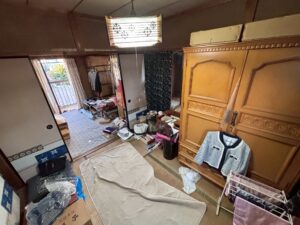
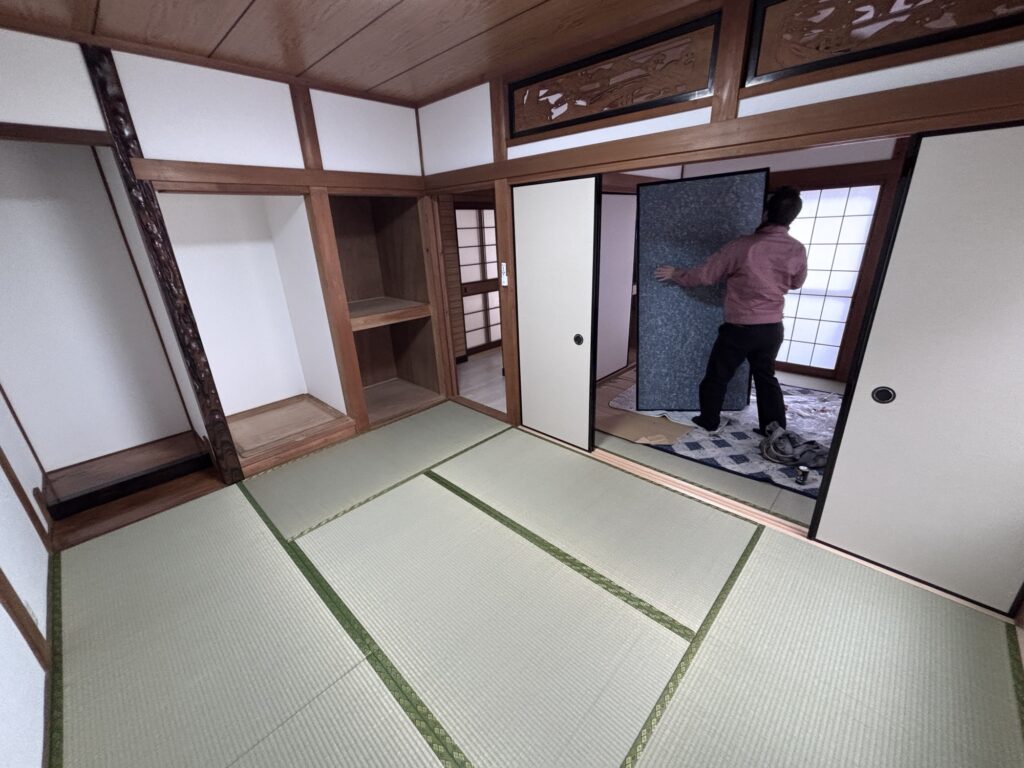
Upstairs we removed the tatami (Part 4). Downstairs, two Japanese rooms stayed. A family rental in Kyoto with no tatami room at all loses something: a place for guests to sleep, for children to play, for a grandparent to stay. These two rooms also have the best woodwork in the house: carved transoms above the sliding doors, a display alcove, and timber ceilings. Two tatami rooms on the ground floor, with a modern LDK beside them and Western bedrooms above, is a balance that lets well.
2. What We Found Behind the Wall: Termites
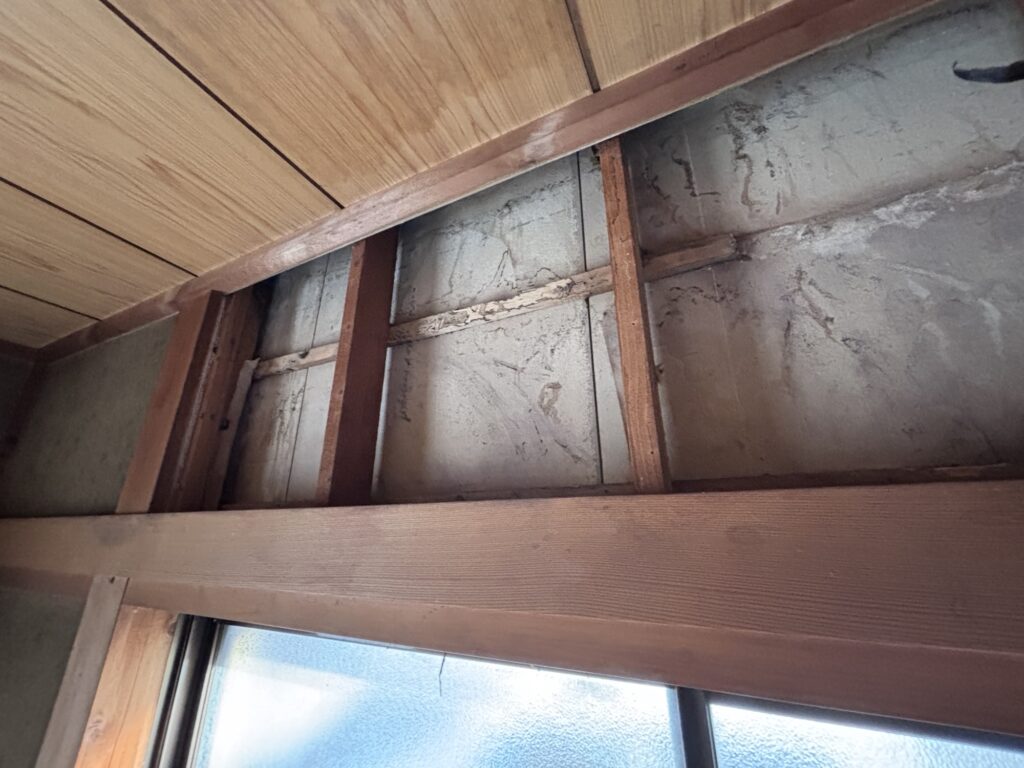
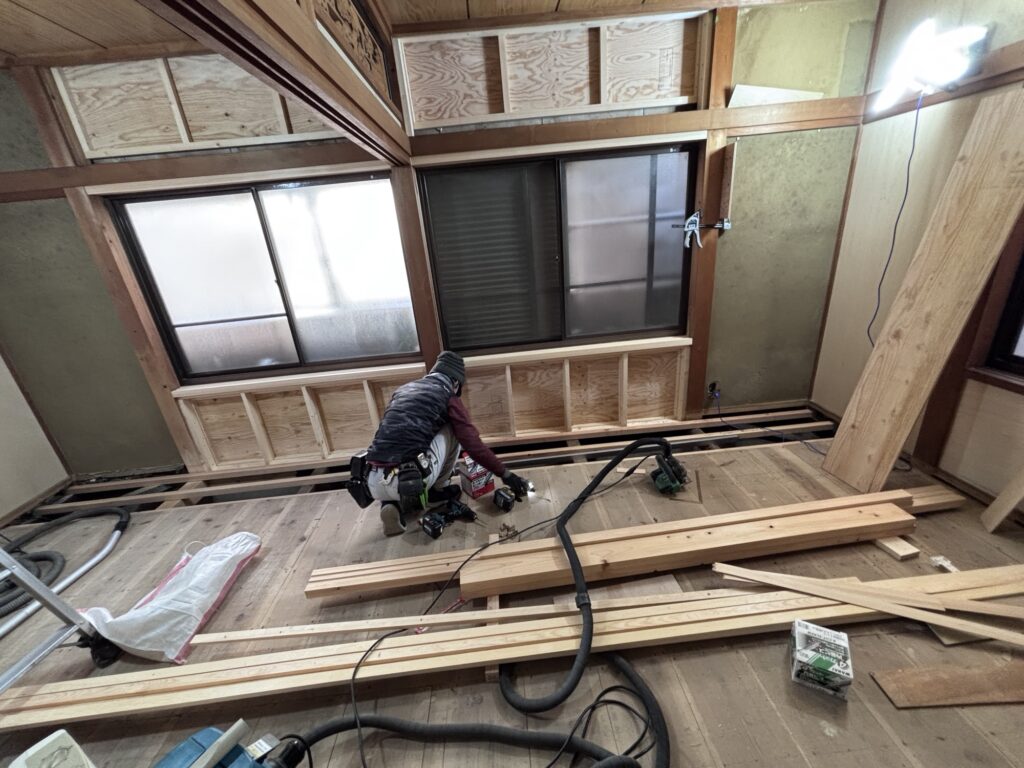
The plan for these rooms was simple: new tatami, and the old earthen walls (tsuchikabe) refinished. Then we opened the inner wall on the window side. Behind it, termite tracks ran across the timber battens and over the back of the exterior boards, from above the window down to the floor.
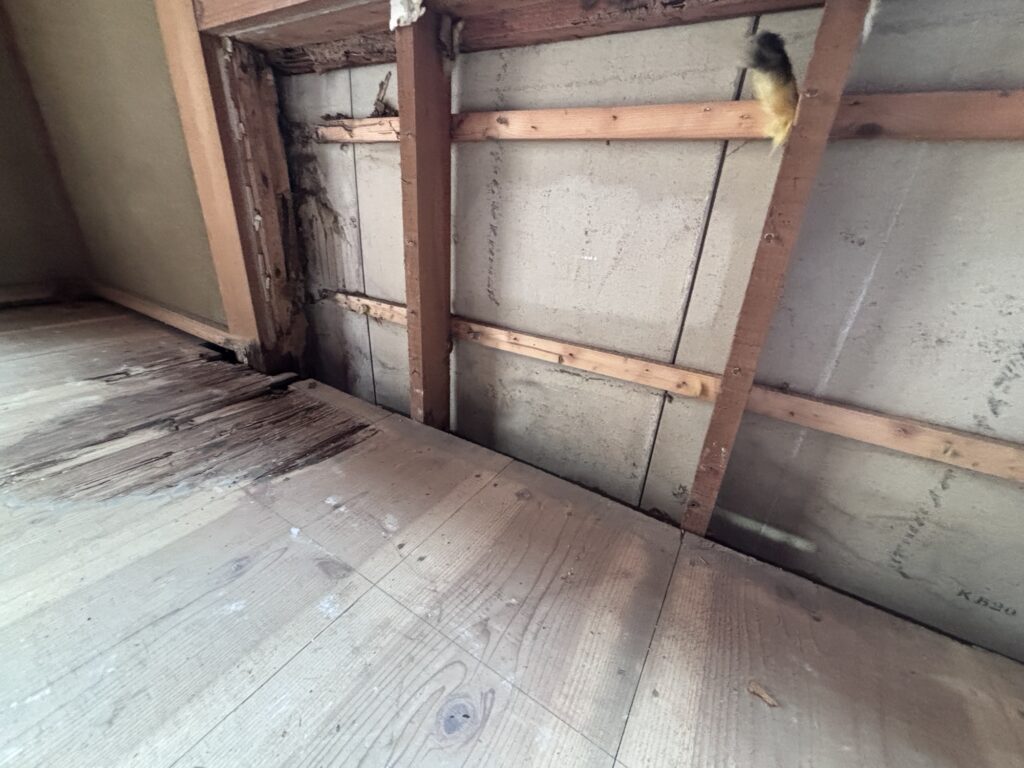
At floor level it was worse. The base of the post in the corner had been eaten, and the floorboards beside it were dark with damp. As in the Matsugasaki machiya, there had been no sign of any of this from inside the finished room.
3. The Repair
We cut out the damaged wood, replaced it, and treated the area before closing up. Along the window wall the floor was opened down to the joists so the timber underneath could be checked and made good. The wall itself was rebuilt with new studs and plywood, which also gives the wallpaper a sound, flat base. This was additional work, outside the original quotation, and we agreed it with the owner before doing it.
4. The Exterior Wall Coming Away
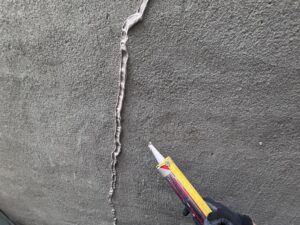
On the outside of these same rooms, the exterior wall finish had lifted from the structure and was close to peeling off. A wall in that state lets water in behind it, which is very likely connected to the damp timber and the termites on the inside. We secured and repaired it at the same stage.
5. New Walls, New Tatami
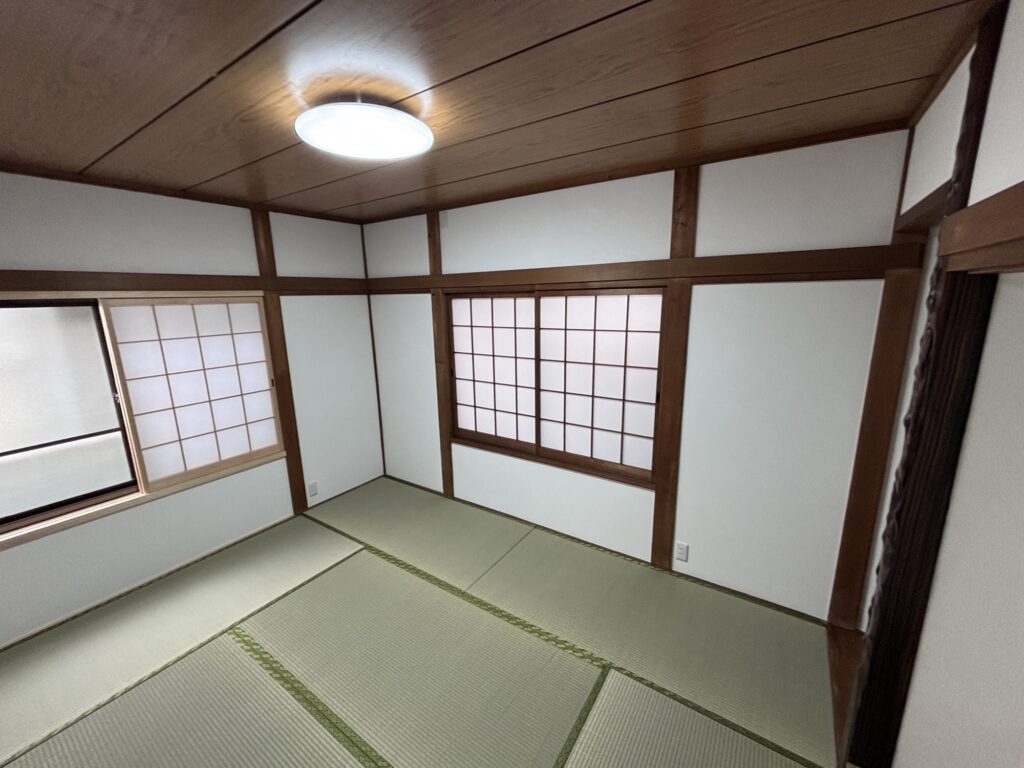
With the structure sound again, the rooms could be finished. The walls were papered in white, keeping the shinkabe style in which the wooden posts and rails stay visible and the wall surface sits between them. Earthen walls crumble with age and shed sand onto the floor; these no longer do, and the rooms still look like Japanese rooms.
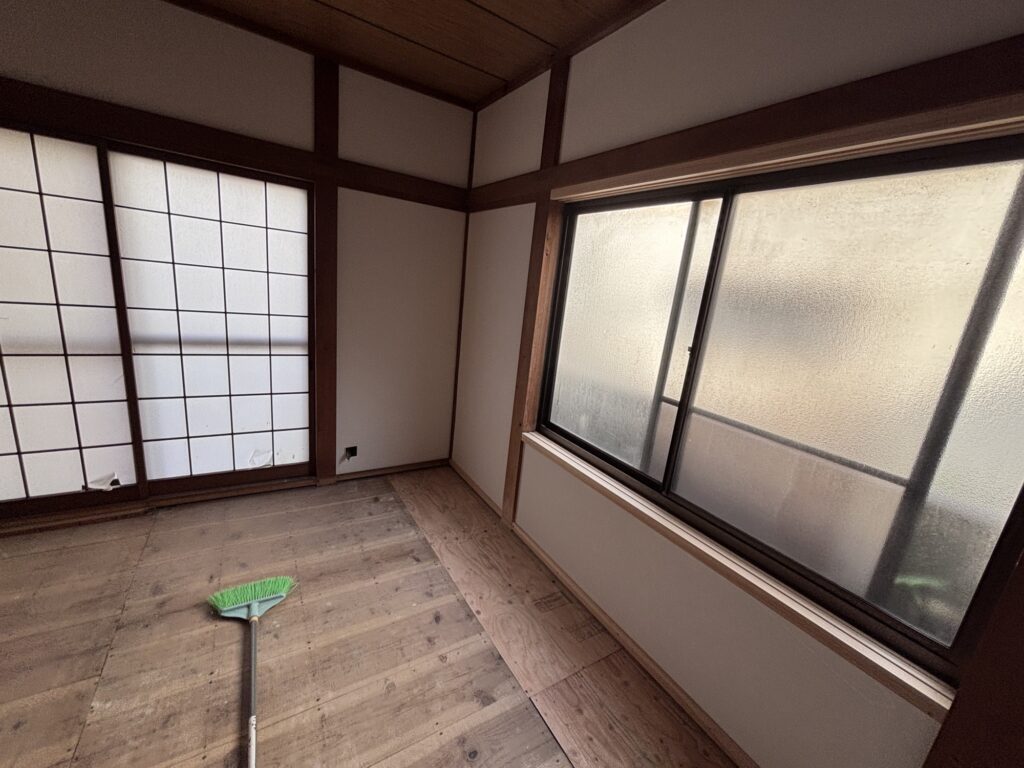
Last came the new tatami, and fresh paper on the sliding doors and screens. The carved transoms, the alcove and the timber ceilings were left exactly as they were.
6. The Lesson for Investors
We publish this because it is the part most renovation stories leave out. On a cheap old house, something will be found once the floors and walls are open. On this project it was termites and a failing wall. Plan for it: we advise investors to hold back a contingency of around ten to fifteen percent of the renovation budget for exactly this.
FAQ
Could the termites have been found before buying?
Possibly in part, with a crawl-space inspection. But in a house full of belongings, with tatami down and walls intact, a great deal is hidden. A low purchase price should be read as including some of this risk.
Why wallpaper over an earthen wall instead of re-plastering?
Cost and durability under tenants. Traditional plaster is beautiful and we use it in owner-occupied houses. For a rental, boards and wallpaper cost far less and can be renewed quickly.
More From This Project
Read the other stages in the Yamashina Rental House Renovation series. Contact Tsuji House about a rental renovation in Kyoto.